Discover Amsterdam
The field guide
Start here
Historic buildings
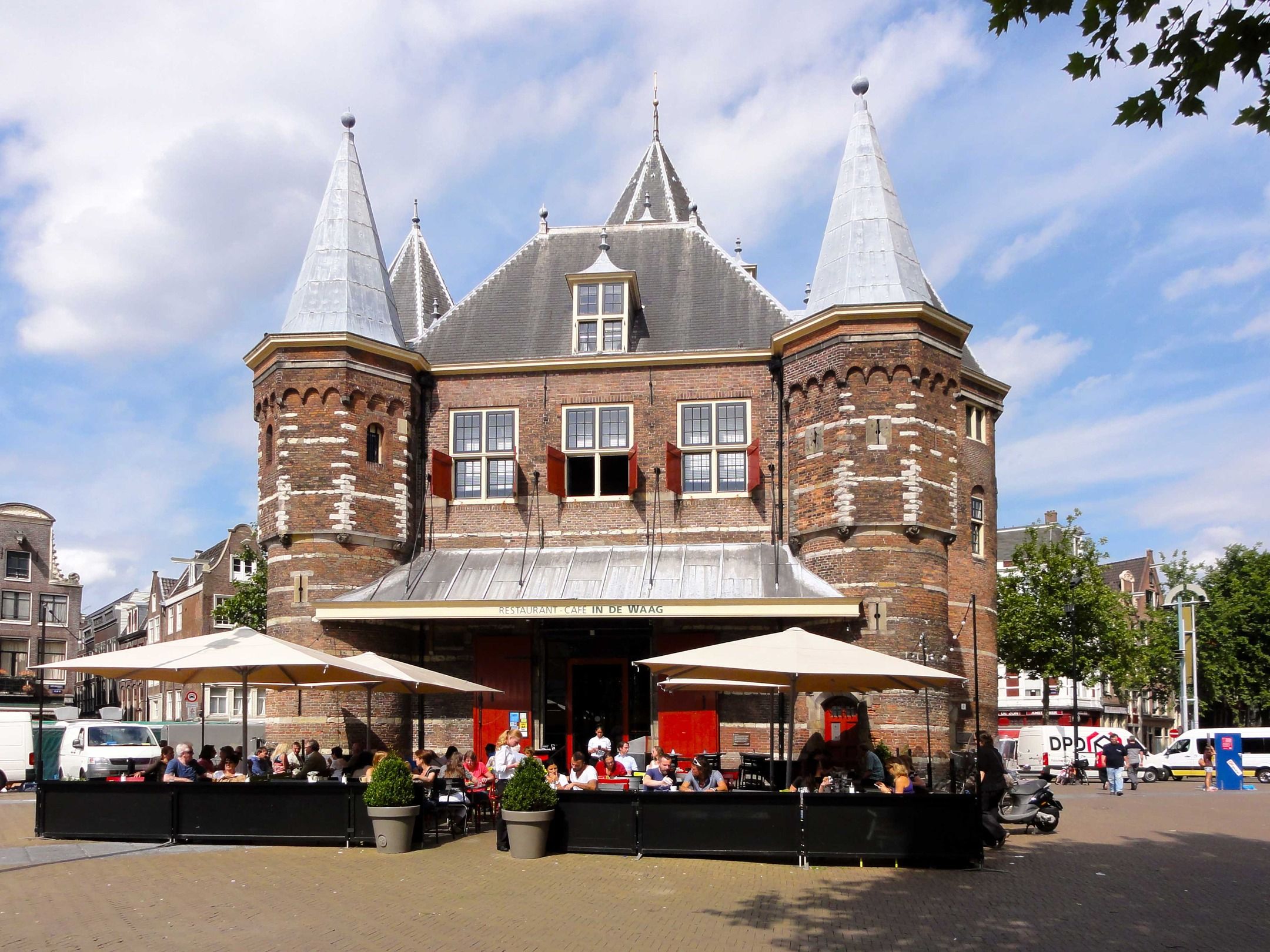
De Waag, the gate Amsterdam kept
De Waag on Nieuwmarkt began as Amsterdam’s Sint Anthoniespoort city gate. It became a public weigh house in 1617, with guild rooms and an anatomy theatre above the scales.
Bridges & canals
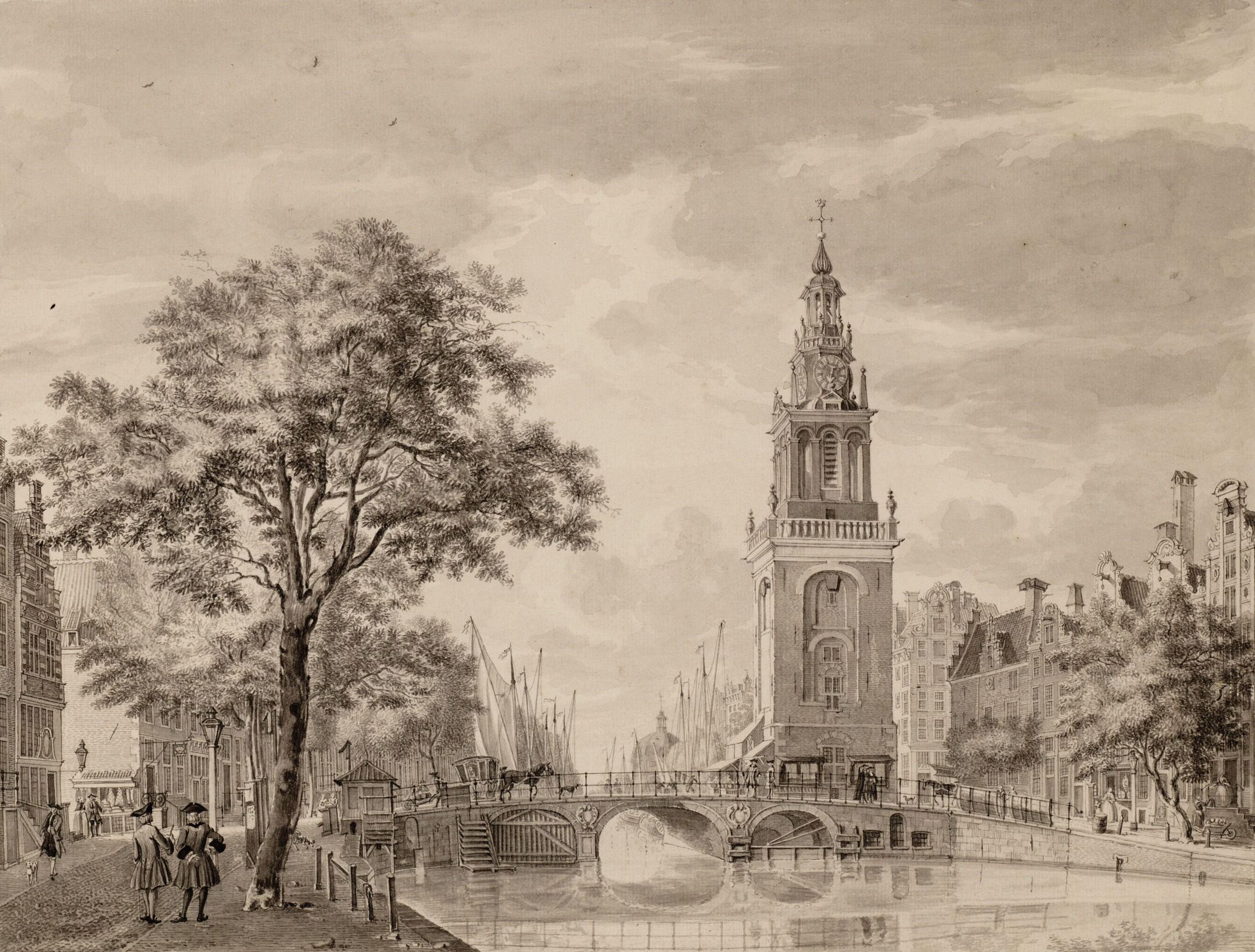
Torensluis and the tower beneath the stones
Torensluis is a stone bridge built across Amsterdam’s Singel in 1648. It once held a market above prison cells. The paving marks where the Jan Roodenpoortstoren once stood.
Photographic essay
The waterline
Three illustrated chapters follow the backs of the Damrak houses, a bend in the Herengracht and the former city gate at Nieuwmarkt.


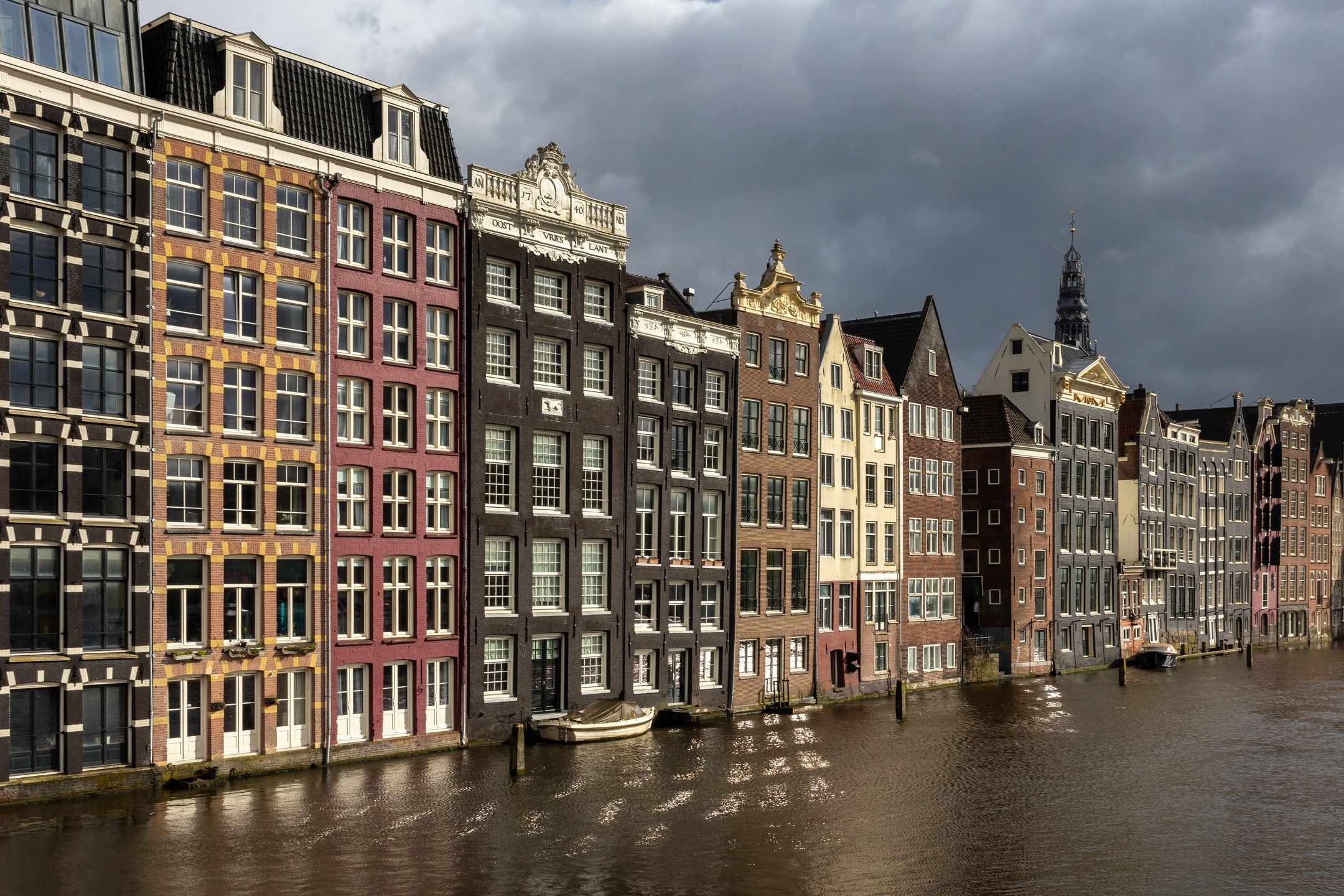
A house with two addresses
Start at the water’s edge. The houses along the Damrak face Warmoesstraat on their landward side. The surviving waterfront lets you read the old harbour from behind.
Read the Damrak storyRead the city from a bridge
Look along the Herengracht, then imagine its banks bending out of sight. This water belongs to a system of arcs laid out around the older city.
Explore the HerengrachtThe water in the word Damrak
A rak is a straight stretch of water. The name carries you along the old harbour towards the dam in the Amstel.
Follow the nameA peat carrier in stone
At Kerkstraat 76, a carved figure recalls peat brought into Amsterdam by boat to heat houses along the canal ring.
Visit the City ArchivesInside the Begijnhof
Behind the entrance on Gedempte Begijnensloot, the Begijnhof has a chapel still used for worship. The chapel keeps its own guide to entrances and visiting times.
See the chapel’s visitor guideLook for the guild doors
Separate entrances led up into the guild rooms of De Waag. Look above the doors for the marks of the trades that shared this former city gate.
Read the Waag story